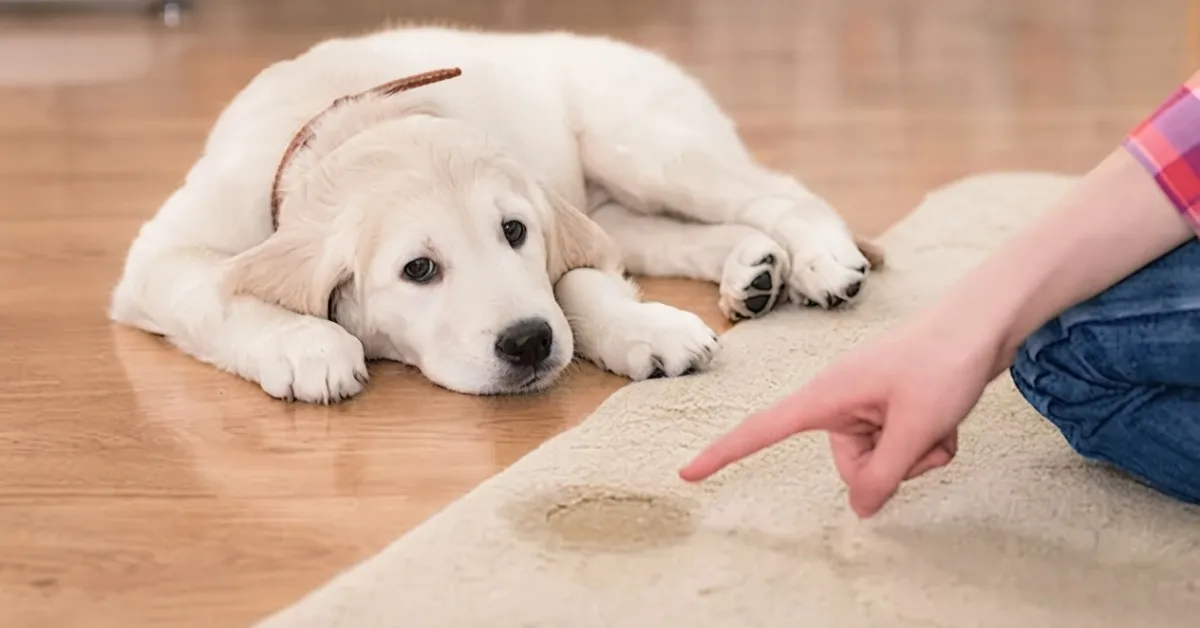
Pets bring immense warmth, joy, and unconditional companionship into our homes. However, even the best-trained dogs and cats can have occasional accidents. When pet stains on carpet occur, many homeowners wipe up the surface moisture, apply a quick store-bought spray, and assume the problem is solved. Unfortunately, what appears clean on the surface often conceals a far more complex chemical process taking place underneath your floorboards. Left untreated or improperly cleaned, carpet pet stains do far more than create temporary unsightly marks—they initiate a slow, aggressive cycle of structural damage, fiber degradation, and lingering health hazards.
Understanding how pet urine stains and organic accidents interact with soft flooring materials is the first step in preserving your home investment. In this comprehensive guide, we will explore the hidden chemistry of pet accidents, examine how deep pet stains ruin carpet fibers and subflooring over time, address persistent odor problems, and explain effective strategies for permanent restoration.
The Chemistry Behind Pet Urine Stains: What Happens Below the Surface
To understand why pet urine stains cause long-term destruction, it helps to examine the scientific composition of animal waste. Fresh pet urine leaves the animal’s body as a warm, acidic solution with an average pH of roughly 5 to 6. At this initial stage, liquid easily penetrates deep down into the carpet pile, saturating the visible top fibers, backing, secondary backing, and floor padding underneath.
As the liquid begins to dry, a dramatic chemical transformation occurs. Microorganisms and bacteria present in the environment break down the urea in the liquid, converting it into ammonia gas and alkaline salts. This process causes the pH level of the stain to jump dramatically to 10 or higher, making it extremely alkaline. This chemical shift changes a temporary spill into an aggressive chemical liquid capable of destabilizing carpet construction.
Moreover, pet urine contains insoluble uric acid crystals. While water and basic cleaning products can dissolve the liquid portions of the spill, standard household products cannot break down uric acid crystals. These microscopic crystals bind tightly to carpet fibers and padding, remaining dormant until humidity or moisture reactivates them, continuously releasing pungent odors for months or even years.
How Pet Stains Cause Structural Carpet Stain Damage
Carpet is not a single layer of fabric; it is a multi-layered system designed for durability and comfort underfoot. When liquid penetrates these layers, pet stain damage spreads rapidly across all levels of your flooring layout.
Fiber Degradation and Permanent Discoloration
The high alkalinity of aged dog urine stains and cat urine stains attacks the molecular bond of carpet dyes. Standard synthetic carpets, such as nylon or polyester, are dyed using specialized chemical bonds. High-pH alkaline salts bleach these dyes, causing permanent yellow, brown, or red discoloration. Furthermore, the strong alkaline concentration breaks down the actual synthetic fibers, causing them to become brittle, fray, and lose their natural springiness.
Latex Backing and Delamination
Carpet tufts are held in place by a primary backing and secured to a secondary backing using a rubberized latex adhesive coating. The alkaline salts and moisture in old pet stains break down this latex binder over time. As the adhesive degrades, the backing separates, a destructive condition known in the flooring industry as delamination. Delaminated carpet develops ripples, ridges, and loose areas that cannot be fixed by simple stretching.
Cushioning and Subfloor Contamination
Gravity pulls liquid downward. A single surface stain measuring four inches across on top of your carpet can easily spread to a twelve-inch puddle in the underlying padding. Standard polyurethane foam carpet padding acts like a sponge, absorbing urine and trapping moisture against the wood or concrete subfloor beneath. Over time, moisture trapped in wooden subflooring causes rotting, warping, and structural carpet-stain damage, requiring costly floor repairs.
The Battle Against Odors | Why Surface Cleaning Fails
One of the most frustrating challenges homeowners face is persistent room odor. You might scrub a surface spot until it looks spotless, only to have a foul smell return on warm or humid days. Achieving total carpet odor removal requires addressing the root source trapped beneath the surface.
As mentioned earlier, uric acid crystals do not evaporate. When ambient indoor humidity rises above 50 percent, or when you warm your home during colder seasons, these dormant crystals absorb atmospheric moisture and off-gas ammonia vapor. Scrubbing with basic off-the-shelf cleaners often compounds the problem by forcing liquid deeper into the padding while leaving the uric acid crystals untouched. Professional extraction for deep pet stains is essential to break down these crystalline structures using enzymatic solutions specifically formulated for organic waste removal.
Cat Urine Stains vs. Dog Urine Stains | Key Differences
While both types of accidents cause severe flooring issues, dog urine stains and cat urine stains possess different chemical profiles that require distinct restoration approaches:
Cat Urine Stains: Feline urine is exceptionally concentrated because cats evolved as desert animals with highly efficient kidneys. It contains high levels of felinine, an amino acid derivative that breaks down into extremely potent sulfur-containing compounds (thiols). This gives cat waste its notoriously sharp, penetrating stench that settles deeply into porous materials.
Dog Urine Stains: Canine accidents generally involve larger liquid volumes. While slightly less concentrated than feline waste, the sheer volume of liquid in a dog accident allows it to seep faster through carpet backing into subfloors, creating widespread structural damage over larger surface areas.
Preventing Permanent Damage: Step-by-Step Emergency Response
When an accident happens, your immediate action determines whether a temporary mess becomes permanent carpet stain damage. Follow these immediate mitigation steps:
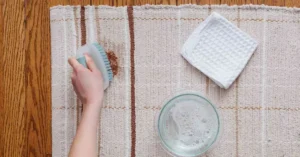
Blot, Never Rub: Fold a clean white cotton towel or a thick stack of paper towels over the wet area and apply firm downward pressure. Blotting pulls liquid upward out of the pile. Rubbing or scrubbing destroys fiber texture and forces liquid deeper into the backing.
Flush with Cool Water: Lightly mist cool water over the blotted area and continue blotting. Avoid hot water, which cooks proteins into the carpet fibers and permanently sets the stain.
Apply Specialized Enzyme Solutions: Avoid aggressive household chemicals like vinegar or ammonia-based cleaners. Ammonia actually tricks pets into thinking the spot is a designated bathroom area due to its scent. Use an enzymatic pet cleaner designed to break down organic proteins.
Call Professional Restorers: For old pet stains or recurring odor issues, surface treatment is insufficient. Professional intervention is required to reach embedded contaminants.
At Ever Steam Carpet Cleaning LLC, we utilize advanced deep-extraction equipment and specialized eco-friendly organic neutralizers that penetrate deep into carpet padding to dismantle uric acid deposits permanently without damaging your carpet’s native color or texture.
Frequently Asked Questions
Can old pet stains on carpet be completely removed?
Yes, old pet stains can often be removed or significantly faded, and associated odors can be completely eliminated. However, success depends on whether the alkaline salts have permanently bleached the carpet fibers. While enzymatic solutions and deep hot-water extraction from professionals like Ever Steam Carpet Cleaning LLC can remove deep organic buildup and odors, permanent dye loss may require specialized color restoration.
Why does pet urine smell worse after steam cleaning with DIY machines?
DIY rental machines often lack sufficient suction power and heat control. When warm water hits dormant uric acid crystals without removing them, it reactivates the off-gassing process while leaving the padding wet. This creates an ideal environment for bacteria to multiply, making the smell noticeably worse than before.
Will pet urine stains ruin hard concrete or plywood subflooring?
Yes. Liquid urine easily seeps past carpet backing and padding into wooden plywood or porous concrete subflooring. Over time, urine destroys wood structure through rot and saturates concrete pores, making carpet replacement useless unless the subfloor is professionally cleaned, disinfected, and sealed.
How often should pet owners have their carpets professionally cleaned?
Homes with pets should receive deep professional carpet cleaning every 6 to 12 months. Regular maintenance removes microscopic dander, prevents unseen pet stains on carpet from settling, and extends the overall lifespan of your flooring investment.
Are professional carpet cleaning chemicals safe for my pets and family?
Reputable professional services use non-toxic, eco-friendly enzymatic treatments that are entirely safe for pets and human occupants. At Ever Steam Carpet Cleaning LLC, we prioritize non-hazardous cleaning formulas that break down organic waste thoroughly while keeping your living space healthy.
Restore Your Carpets Today
Don’t let stubborn accidents and hidden deep pet stains ruin your carpet’s beauty and air quality. Protect your flooring investment with our certified deep hot-water extraction and advanced odor neutralization processes. Contact our expert team today at 720-850-3316 to discuss your home’s needs and schedule pet stain removal with Ever Steam Carpet Cleaning LLC for fresh, spotless, and odor-free carpets!