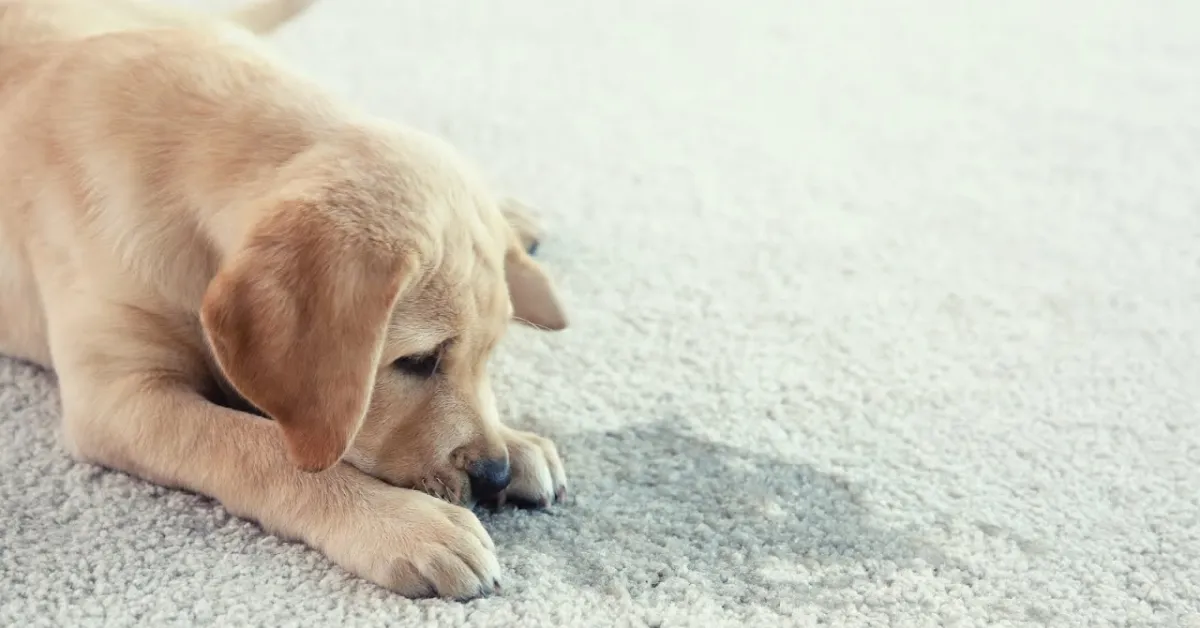
Pet accidents can leave more than a visible mark on your carpet. Sometimes, urine soaks beneath the surface and creates an odor that seems to appear without an obvious source. These hidden pet urine stains can be frustrating because regular vacuuming and surface cleaning may not remove what has soaked into the carpet fibers or padding. Finding the source is the first step toward solving the problem.
If you notice a persistent urine smell, repeated accidents in the same area, or unexplained discoloration, it is worth investigating further. Knowing how to find pet urine stains can help you identify affected areas before the odor spreads. This guide explains practical ways to locate hidden stains, understand why they are difficult to see, and determine when deeper cleaning may be needed.
Why Pet Urine Stains Can Be Difficult to See
Fresh accidents may leave an obvious wet spot, but older pet urine stains on carpet can become difficult to notice. As the moisture dries, the visible discoloration may fade, especially on patterned or darker carpets. However, urine residue can remain beneath the surface and continue producing an unpleasant smell.
Pet urine can also move through the carpet fibers and reach the backing or padding underneath. This means the visible carpet may look relatively clean while the material below still contains urine residue. When humidity rises, the odor can become stronger, making the problem noticeable again.
Start by Following the Odor
Your sense of smell can be a useful starting point when looking for hidden urine stains in carpet. Walk slowly around the room and compare areas where the odor seems stronger. Pay close attention to corners, areas near furniture, spaces beside walls, and spots where pets commonly rest or spend time.
Do not assume the strongest odor is always coming from the surface. A stain underneath furniture or near the edge of a room may have soaked deeper into the carpet. Move lightweight furniture when possible and inspect areas your pet can easily access. Following the odor can help narrow down where further inspection is needed.
Look for Changes in Carpet Appearance
Although older urine stains in carpet may not always be obvious, some can leave subtle signs. Look for yellowish, brownish, or darker patches, changes in carpet texture, or areas that appear different from the surrounding fibers. A stain may also become more noticeable when viewed from a different angle or under brighter lighting.
Pay particular attention to places where your pet has had previous accidents. Dog urine stains on carpet can sometimes leave discoloration after repeated accidents in the same location. Cat urine can also create persistent odor and residue, particularly when an accident has gone unnoticed for a long time.
Use a UV or Black Light for Pet Urine Detection
A UV or black light can be helpful for pet urine detection, especially when visible signs are difficult to find. In a darkened room, certain urine residues may fluoresce under ultraviolet light, making affected areas easier to identify. This method can be particularly useful when investigating an unexplained odor.
For better results, inspect the carpet after turning off as much normal lighting as possible. Slowly scan the floor rather than moving the light quickly across the room. Keep in mind that not every glowing spot is necessarily urine. Cleaning products, fibers, and other substances can also react to UV light, so suspected areas should be evaluated carefully.
Check Around Furniture and Room Edges
Pets often choose quiet or less noticeable locations when having accidents. This means hidden stains can be found behind furniture, under tables, beside couches, and along room edges. These areas may receive less attention during regular cleaning, allowing residue to remain for a long time.
Check places where your pet frequently lies, sleeps, or waits. Look beneath rugs and around furniture that may have blocked your view of the carpet. If the odor is concentrated in one section but you cannot see a stain, inspect nearby areas as well because moisture can spread beyond the original accident spot.
Inspect the Carpet Padding
One reason hidden pet urine stains can be so persistent is that urine may travel beyond the carpet fibers. When enough liquid reaches the backing, it can soak into the padding underneath. In these situations, cleaning only the visible carpet surface may not completely address the source of the odor.
If a strong smell continues after surface cleaning, the padding may need attention. Lifting carpet should generally be handled carefully because improper handling can damage the carpet or its installation. If you suspect the problem extends below the carpet, consider having the area evaluated by a carpet cleaning professional.
Why Pet Urine Odor Can Return
A common complaint is that a carpet smells clean immediately after cleaning but develops a urine odor again later. This can happen when urine residue remains below the surface. Moisture from cleaning or increased humidity can reactivate odors trapped in carpet fibers, backing, or padding.
This does not necessarily mean the cleaning process made the problem worse. Instead, it may reveal that the original contamination was deeper than expected. Identifying the full affected area is important because treating only one visible spot may leave additional residue untreated.
How to Handle Dog and Cat Urine Stains
Dogs and cats can create different carpet cleaning challenges. Repeated dog urine stains on carpet may build up over time when accidents occur in the same locations. If the odor keeps returning, look beyond the most obvious stain and check surrounding areas.
Cat urine stains on carpet can be especially troublesome because cats may return to locations where they previously urinated. If an odor remains, identifying and treating the affected area can help prevent the problem from continuing. Thoroughly cleaning the source is more useful than simply covering the smell with air fresheners.
What Not to Do When You Find a Hidden Stain
Avoid aggressively scrubbing a suspected urine stain without knowing how far the contamination has spread. Excessive scrubbing can push moisture deeper into carpet fibers and may damage delicate materials. It can also make it harder to determine the original affected area.
You should also avoid relying only on fragrance sprays to cover the odor. Air fresheners may temporarily mask a smell, but they do not remove urine residue. If the stain is old, widespread, or has reached the padding, a deeper cleaning approach may be necessary.
When to Call a Carpet Cleaning Professional
If you have located hidden pet urine stains but the odor continues after cleaning, professional treatment may be worth considering. This is especially true when there have been multiple accidents, the stains are old, or urine has soaked into the carpet padding. A professional can assess the affected areas and determine the appropriate cleaning method.
Ever Steam Carpet Cleaning LLC helps homeowners address carpet problems involving pet stains and odors. If you have searched repeatedly for the source of a persistent smell without finding it, getting the affected area properly inspected can save time and prevent repeated unsuccessful cleaning attempts.
How to Prevent Future Hidden Pet Stains
Finding an old stain is only part of solving a recurring pet accident problem. Clean new accidents as soon as possible and pay attention to places where your pet repeatedly returns. Early treatment can reduce the chance of urine soaking deeply into carpet fibers and padding.
Regular carpet cleaning can also help keep accumulated residue under control. If your pet has frequent accidents, monitor high-risk areas more closely and investigate unusual odors quickly. Taking action early is generally easier than dealing with deeply embedded urine residue months later.
Frequently Asked Questions
How can I find hidden pet urine stains on carpet?
Start by following the odor and checking areas where your pet spends time. Look for discoloration or texture changes, then use a UV or black light in a dark room to help identify suspected areas.
Can a UV light find old pet urine stains?
A UV light can help locate some old urine residues that are difficult to see under normal lighting. However, other substances can also fluoresce, so a glowing area should not automatically be assumed to be urine.
Why does my carpet smell like urine but I cannot see a stain?
The urine may have soaked below the carpet surface and reached the backing or padding. Older stains can also lose their visible discoloration while leaving odor-producing residue behind.
Will regular carpet cleaning remove pet urine stains?
It depends on how deep and extensive the contamination is. Surface cleaning may help with minor accidents, but deeper stains may require specialized treatment, especially when urine has reached the carpet padding.
How can I prevent my pet from returning to the same spot?
Thoroughly removing urine residue and odor can help reduce the scent that may attract your pet back to the same location. If repeated accidents continue, identifying the underlying reason for the behavior may also be important.
Get Help With Hidden Pet Stains
Finding the source of a persistent carpet odor can be difficult when the stain is hidden beneath the surface. If you have identified a suspected urine stain but cannot remove the odor with regular cleaning, book specialized pet stain removal from Ever Steam Carpet Cleaning LLC. Call 720-850-3316 to discuss your carpet stain and odor problem and find out what cleaning option may be appropriate for your home.